
How to Choose High-Quality Tea
High-quality tea is not just about price or packaging. It is about the leaf, the aroma, the origin, the harvest, and the way the tea tastes across multiple infusions.
A good tea should taste clean, balanced, and expressive. It should give you a clear sense of where it comes from and how carefully it was made.
The short answer
High-quality tea usually has whole or carefully processed leaves, a clean aroma, visible freshness, origin transparency, balanced flavor, and the ability to produce more than one satisfying infusion.
What makes tea high quality?
| Quality Signal | What to Look For | Why It Matters |
|---|---|---|
| Leaf appearance | Whole or larger leaves, consistent shape, minimal dust | Better leaves often produce smoother, more complex flavor |
| Aroma | Clean, fresh, natural fragrance | Aroma is often one of the first signs of freshness and quality |
| Origin | Region, tea type, harvest details, sourcing transparency | Origin helps explain flavor, character, and authenticity |
| Flavor balance | Smoothness, depth, finish, and complexity | Quality tea should be more than simply strong or bitter |
| Multiple infusions | Leaves that can be steeped more than once | Repeated infusions can signal better leaf structure and value |
Look at the leaves
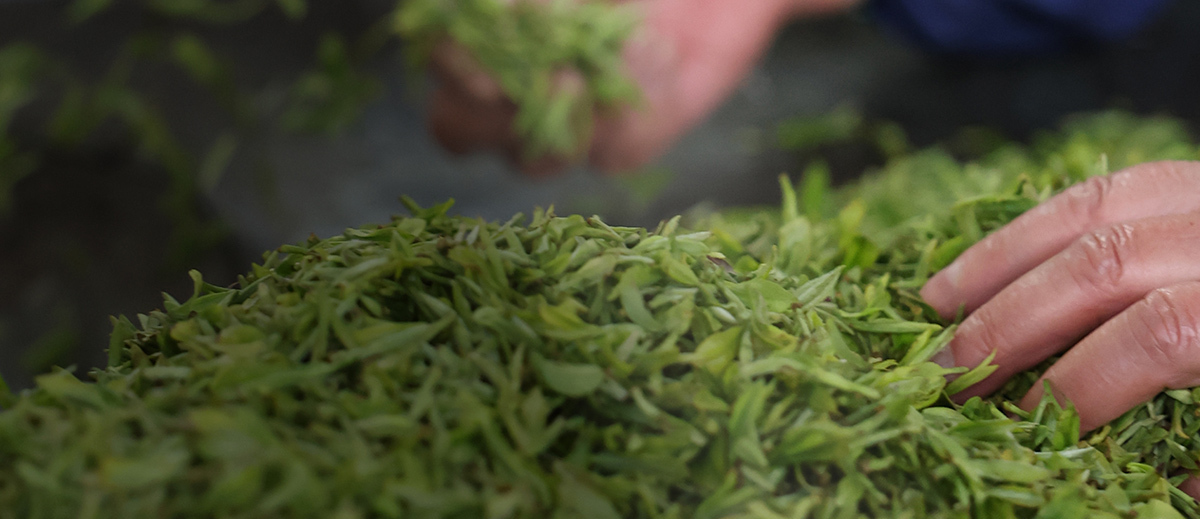
The leaves tell you a lot before you even brew the tea. High-quality loose leaf tea often has whole or larger leaves, a consistent appearance, and very little dust.
Some teas are naturally rolled, twisted, curled, or compressed, so the “right” appearance depends on the tea type. But excessive dust, stale-looking fragments, or a flat appearance can be signs of lower quality or poor handling.
Smell the dry tea
Good tea should smell clean and fresh. Depending on the tea, the aroma may be floral, grassy, roasted, sweet, earthy, fruity, or mineral.
Avoid tea that smells stale, musty, flat, or overly artificial. The dry aroma should give you a preview of what the brewed tea may offer.
Know where the tea comes from
Origin matters. Region, elevation, climate, harvest timing, cultivar, and processing style all influence the taste of tea.
A high-quality tea does not need a complicated story, but it should give you some sense of where it came from and why it tastes the way it does. Transparent sourcing helps buyers understand what they are drinking.
Understand harvest timing
Harvest timing can have a major effect on quality. In many tea-growing regions, early spring harvests are prized because the leaves are tender, aromatic, and full of character.
That said, timing matters differently by tea type and region. A good tea should be evaluated by how it tastes, how it was processed, and how well it represents its style.
Taste for balance, not just strength
Strong tea is not always better tea. High-quality tea should have balance. Look for smoothness, aroma, texture, finish, and complexity.
Bitterness can come from poor-quality leaves, but it can also come from water that is too hot or steeping the tea too long. A good tea, brewed properly, should reveal more than a single harsh note.
See how it performs over multiple infusions
Many high-quality whole-leaf teas can be steeped more than once. The second or third steep may be softer, sweeter, more aromatic, or simply different from the first.
This is both a quality signal and a value signal. A tea that continues to produce satisfying cups over multiple infusions often gives you a better sense of the leaf’s depth and character.
Watch out for vague marketing
Words like “premium” or “artisan” are not enough on their own. Better signs include clear tea type, origin, harvest details, processing method, tasting notes, and brewing guidance.
The more specific the information, the easier it is to understand the tea’s quality and choose one that matches your taste.
Recommended teas for learning quality
A good way to learn quality is to compare different tea types side by side and notice how the leaves, aroma, flavor, and infusions change.
- Green Tea - Fresh, aromatic teas where harvest and careful brewing matter.
- Oolong Tea - Layered teas that often show complexity across multiple infusions.
- White Tea - Gentle teas that can reveal subtle aroma and texture.
- Pu-erh Tea - Complex teas often appreciated for depth and repeated infusions.
- Black Tea - Full-bodied teas where aroma, finish, and balance are important.
Frequently Asked Questions
What makes tea high quality?
High-quality tea is usually made from carefully harvested and processed leaves with a clean aroma, balanced flavor, visible freshness, origin transparency, and the ability to produce more than one satisfying infusion.
How can I tell if loose leaf tea is high quality?
Look for whole or larger leaves, a fresh aroma, clear origin information, balanced flavor, minimal dust, and good performance over multiple steeps. High-quality loose leaf tea should taste layered rather than flat or harsh.
What should high-quality tea smell like?
High-quality tea should smell clean, fresh, and characteristic of its type. It should not smell stale, musty, flat, or overly artificial.
Does harvest timing matter for tea?
Harvest timing can matter a great deal. For many teas, the season and timing of harvest affect tenderness, aroma, flavor, and overall quality. The importance of harvest timing varies by tea type and region.
Why does premium tea taste better?
Premium tea often tastes better because it uses better leaves, careful harvesting, skilled processing, proper storage, and more transparent sourcing. These factors can create smoother flavor, more aroma, and greater complexity.
Is expensive tea always better?
No. Expensive tea is not always better. Quality depends on the leaf, freshness, origin, processing, storage, and brewing. The best tea is one that is well made and matches your taste.